
"Ethiopian highlands"
900 article(s) found

Introduction to the taste description of Ethiopian coffee variety boutique coffee bean manor
Ethiopia's geographical environment is very suitable for coffee growth. Coffee is mainly grown in the southern highlands between 1100 and 2300 meters above sea level. The main coffee producing areas are Harar, Limu, Djimma, Sidamo, Kaffa, Yergacheffe and Wellega. The soil drainage in these areas is good.

Ethiopian coffee producing region Flavor Description Ethiopian Yegashfi coffee characteristics Taste introduction
The coffee tree originated in Ethiopia, where it was originally a wild plant, and the name coffee comes from the Ethiopian town of Kaffa. Humans probably knew how to cultivate coffee trees as early as the 9th century. Ethiopia coffee origin: Ethiopia many coffee
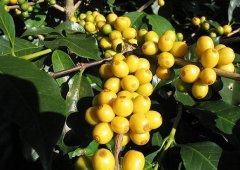
A brief introduction to the Origin and Development of Flower-scented Apricot Coffee beans in Ethiopia
Ethiopia grows coffee in different climatic zones, so it has more than 140 farm varieties, and fresh coffee is produced all the year round. The quality of Ethiopian coffee varies according to different elevations and regional ecological environment. The Harar coffee in the southeast highland is a typical Muha coffee with a strong flavor; the coffee produced in the southwest Wollega has a rich fruity flavor; Limu coffee

Variety characteristics of naturally fermented sun-cured Ethiopian coffee introduction to the flavor of fine coffee beans in the manor
Ethiopia has unique natural conditions suitable for growing all imaginable varieties of coffee. As a upland crop, Ethiopian coffee beans are mainly grown in areas between 1100 and 2300 meters above sea level, roughly distributed in southern Ethiopia. Deep soil, well drained soil, weakly acidic soil, laterite and soil are soft and contain

Taste characteristics of natural Ethiopian coffee fermented in the sun introduction to the flavor of fine coffee beans in the manor
Ethiopia has unique natural conditions suitable for growing all imaginable varieties of coffee. As a upland crop, Ethiopian coffee beans are mainly grown in areas between 1100 and 2300 meters above sea level, roughly distributed in southern Ethiopia. Deep soil, well drained soil, weakly acidic soil, laterite and soil are soft and contain
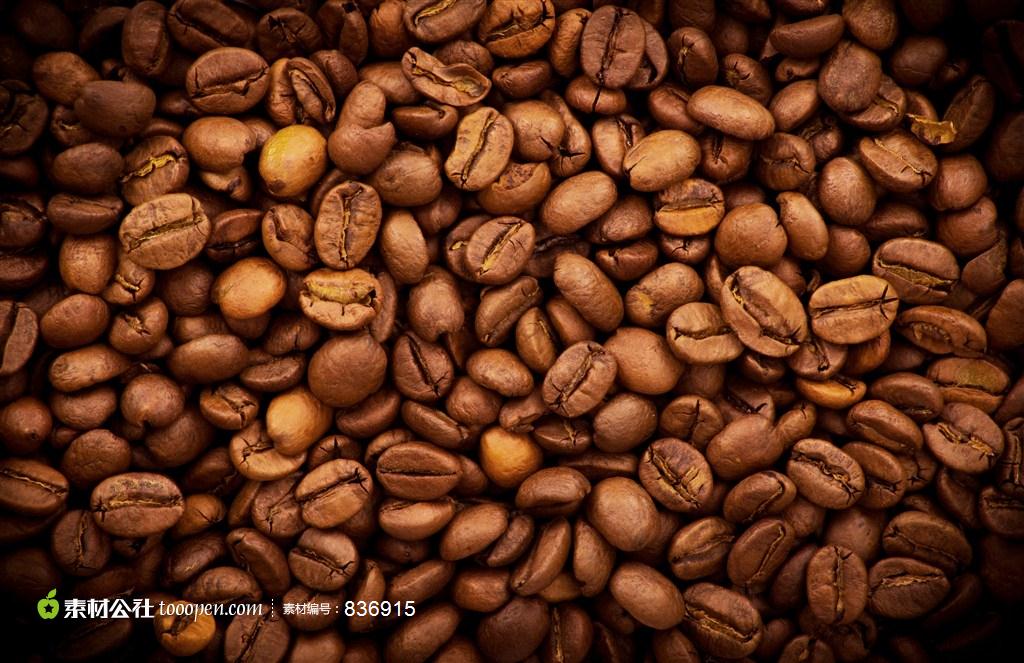
Introduction to the flavor of high-quality coffee beans in the manor characteristics of natural Ethiopian coffee fermented in the sun
Ethiopia has unique natural conditions suitable for growing all imaginable varieties of coffee. As a upland crop, Ethiopian coffee beans are mainly grown in areas between 1100 and 2300 meters above sea level, roughly distributed in southern Ethiopia. Deep soil, well drained soil, weakly acidic soil, laterite and soil are soft and contain

Ethiopian Coffee Manor Ted Manor introduces Sidamo Coffee Taste
The taste of Sidama in the sun is close to the smell of flowers, but it is about a little earthy. Water washing has a nutty fruit aroma with a slight cocoa aroma, but what the two have in common is smooth taste and viscosity, comfortable and pleasant acidity and fragrance. Light or medium roasting is suitable for individual products, while medium or deep roasting is suitable for blending coffee and good Espresso base. The water-washed Sidamo is light green and the beans are small.

Basic knowledge of coffee beans (2)
There is a noun called "Coffee Belt". There are more than 60 coffee producing countries in the world, most of which are located in the tropics and subtropics between the Tropic of Cancer (23 °26 'north and south).

Introduction of varieties and characteristics of Ethiopian Coffee Manor with long aftertaste and bright flavor
Coffee trees are native to the highlands of southwestern Ethiopia in Africa. It is said that more than a thousand years ago, a shepherd found that the sheep had eaten a kind of plant, became very excited and lively, and then discovered coffee. It is also said that a coffee forest was accidentally destroyed by a wildfire, and the smell of barbecue coffee attracted the attention of surrounding residents. The local aborigines often grind the fruit of the coffee tree and then grind it

A brief introduction to the Market Price of Fine Coffee Bean varieties in the advantaged Ethiopian Coffee Manor
Harald coffee (HarrarCoffee) comes from the highlands of eastern Ethiopia and is medium-sized in bean shape.

Introduction to the grinding scale of Ethiopian coffee flavor description and variety production area
Harald coffee, which grows within 900m from the Darolebu plain to 2700 m from the highland mountain range of Chercher in eastern Ethiopia. These mountains do provide unique characteristics for these perennial coffee beans: the fruit is full and long, moderately acidic, and the typical mocha is refreshing.

Light cocoa aroma of Ethiopian sidamo Charkiso coffee flavor taste estate production boutique
Ethiopia is rectangular in shape, with a ratio of length to width of 3:2. From top to bottom by green, yellow, red three parallel equal horizontal rectangle composition, flag surface middle has the national emblem pattern. Since the late 19th century, Ethiopia has adopted a green, yellow and red striped flag. Ethiopia was the first African country in modern history to join the ranks of free peoples. [8]this century, and the

A brief introduction to the flavor, taste and aroma characteristics of coffee beans in Harald Moka Manor in Ethiopia
The geographical environment of Ethiopia is very suitable for coffee growth. Mocha coffee is mainly grown in the southern highlands between 1100 and 2300 meters above sea level. The main coffee producing areas are Harar, Limu, Djimma, Sidamo, Kaffa, Yergacheffe and Wellega. These lands

The unique mellow coffee beans from Xidamasha Chiso producing area of Ethiopia have a special flavor and taste.
Sidamo Coffee beans are grayish, thick in some places and small in others, with soft and strong acidity, mellow and sweet and spicy. It is one of the courtyard coffees in the highlands of southern Ethiopia. It is different from ordinary African coffee in that Sidamo has clear acidity, smooth taste and delicate floral flavor. Different soil

Ethiopian Sidamo Valley Geisha G1 washing method
Following Cafe (Wechat official account vdailycom) found that Beautiful Cafe opened a small shop of its own in the Guji producing area of Xidamori. Coffee Review's website scored more than a dozen articles with a score above 92, and there were also several high scores of 94.95. the famous Yadi came from the Guji producing area. The territory is covered by towering mountains, highlands, plateaus, valleys and plains, with diverse and fertile black soil.

Sweet and spicy Ethiopian sidamo shaqisuo coffee flavor description grind variety special
In December 1994, the Constitution of the Federal Democratic Republic of Ethiopia was enacted. The constitution stipulates that Ethiopia will adopt a federal system and a parliamentary cabinet system after the election, with a term of office of five years. National elections were held in May 1995. On August 22, the Federal Democratic Republic of Ethiopia was established. Meles became Prime Minister as Chairman of the Majority Party in the House of People's Representatives. On May 14, 2000, Ethiopia held a national meeting.

Ethiopian Coffee Sidamo characteristics taste and flavor description Ethiopian Coffee Sidamo is good
Professional coffee knowledge exchange more coffee bean information please follow the coffee workshop (Wechat official account cafe_style) what is the special flavor of Ethiopian Sidamo coffee? What are the taste characteristics of Ethiopian coffee producing areas? The Guji producing area in southern Ethiopia is adjacent to Sidamo and Gedeo, with towering mountains and high mountains.

What's the difference between Ethiopian and Kenyan coffee? what is the main flavor of African coffee?
Coffee beans from African countries are my favorite. When I first tried African coffee beans, what triggered me was that coffee didn't taste like coffee at all. Africa, and more specifically East Africa, produces some of the world's most unique coffee, characterized by bright floral aromas, fruit and wine tones, and rich acidity. All in all, African coffee beans are full of flavor! I encourage

Unique fragrant Ethiopian Coffee Manor Flavor and Taste characteristics of Fine Coffee beans
In addition, it should be mentioned that most of them are produced by state-owned institutions, but the quantity is small and is not well known to the world. Teppi and Bebeka;Teppi, which are lightly described here, grow at an altitude of 3600-6200 feet, with an annual yield of about 50000 bagsamp60kg. Bebeka grows between 3000 and 3900 feet above sea level, with an annual output of about 30000bags/60kg, both of which are located in the lower parts of southwest Ethiopia.

Introduction to the unique and mellow Ethiopian Sidamo Chiso Coffee
Haile Selassie was made regent in 1916 and became king in 1928. On November 2, 1930, he was crowned Emperor Haile Selassie I. In 1936, Italy invaded again, occupied Addis Ababa, conquered Ethiopia, and Selassie went into exile in London. The allies defeated Italy in 1941 and Selassie I returned home on May 5 of the same year. After the domestic coup in 1974